Generations
| Code | Years |
|---|---|
| 958 | 2010–2014 |
| 958, facelift | 2014–2017 |
| 9YA | 2017–2023 |
| 9YA, facelift | From April 2023 |
| K1 (electric) | From 2026 |
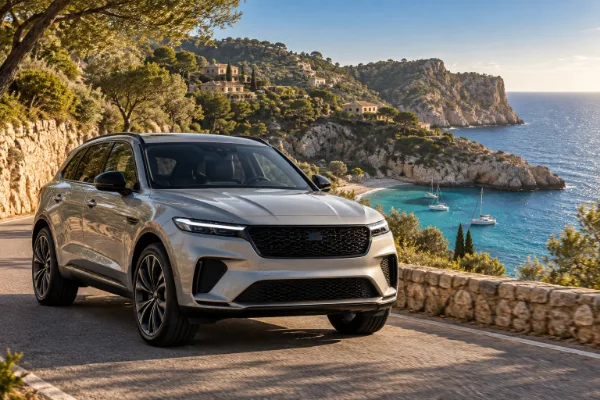
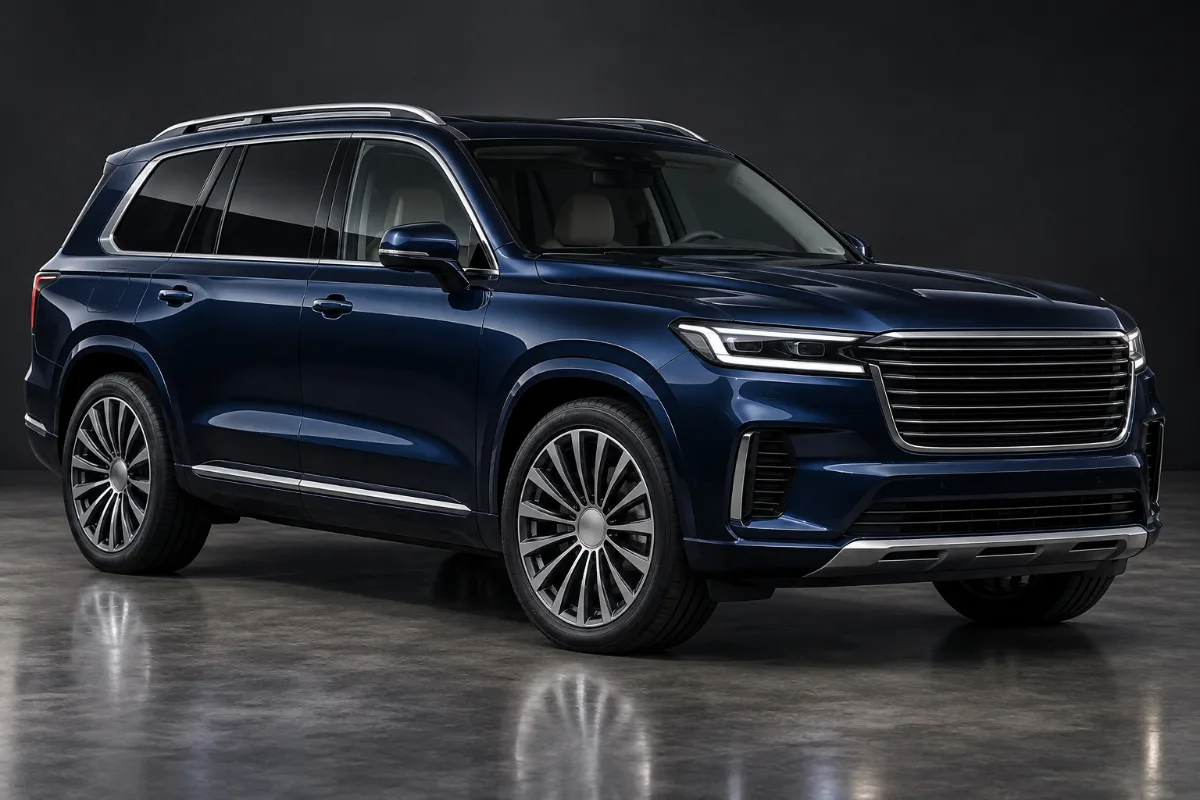
The one that dominates the used market is the 9YA, with a major facelift unveiled on 18 April 2023. The codes are the ADAC catalogue's.
The E-Hybrid has changed battery four times
This is the most important thing on the sheet, because the sticker and the tax come out of it:
| Phase | Battery | Electric range |
|---|---|---|
| S E-Hybrid to 2017 | 10.8 kWh | — |
| E-Hybrid 2018–2020 | 14.1 kWh | Up to 44 km NEDC |
| E-Hybrid 2020/21–2023 | 17.9 kWh | Up to 48 km in town (WLTP) |
| From the 2023 facelift | 25.9 kWh | Up to 90 km in town (WLTP) |
The practical consequence: the E-Hybrids from 2023 onwards have range to spare for the ZERO sticker and CO₂ well below 120 g/km. On the earlier ones you have to look at the individual car's figures, because they hover around the 40 km the sticker requires and old-cycle numbers are not comparable.
Watch out for one detail that constantly gets confused: the 90 km on the current model is town range, which is how Porsche publishes it. The combined figure is lower, and we have not found it published.
What it pays in the Balearics
| Version (2023+ range) | WLTP CO₂ | Band in the Balearics |
|---|---|---|
| Cayenne V6 | 266–242 g/km | 16 % |
| Cayenne S V8 | 287–272 g/km | 16 % |
| E-Hybrid | 101–90 g/km | 0 % |
| S E-Hybrid | 103–90 g/km | 0 % |
| Turbo E-Hybrid | 119–108 g/km | 0 %, but right on the limit |
| Cayenne Electric | 0 g/km | 0 % |
The Turbo E-Hybrid one is worth taking seriously: in Coupé bodywork the range is 120–109 g/km, which means the worst configuration lands exactly on the threshold. One gram decides between paying 0 % and paying 4.75 %. Check the car's certificate and do the sums with the registration tax calculator.
For the Cayenne GTS we give no figure: it arrived with the 2025 model year and we have not verified its consumption footnote. For the petrol Cayennes between 2017 and 2023 we have not found the WLTP CO₂ published either.
Recall campaigns
The KBA register holds several Cayenne entries, among them one from 2019 covering cars built in 2014-2015 and another from the same year on the ski bag strap in 2017-2018 cars.
And there is something worth knowing even though it is not a campaign: the American traffic safety authority has an open investigation into ruptures of desiccated airbag inflators that includes the Cayenne and the Cayenne S E-Hybrid. An investigation is not a recall, but it is exactly the kind of thing to ask about by chassis number before buying.
Equipment that matters
- Adaptive air suspension. Note: since 2023 it is no longer standard. Porsche fits steel springs with PASM from the factory and the air suspension becomes an option. It is probably the single option that most changes the car.
- PDCC (roll control), rear-axle steering and a tow bar: options that in the Balearics, with a boat or a trailer, are worth more than plenty of showy extras. We have not verified which versions they are available on.
Warranties
The high-voltage battery has 8 years or 160,000 km. On the car warranty, the brand's used-car programme in Spain offers terms of 12, 24 or 36 months with no mileage limit; it can be taken out until the car is 14 years old or has 200,000 km, and cover runs to 15 years. What your particular car carries we confirm in writing before you buy.
Frequently asked questions
Which Cayenne hybrid gets the ZERO sticker?
The ones above 40 km of homologated electric range. The E-Hybrids from the 2023 facelift, with the 25.9 kWh battery, have range to spare; on the earlier ones you have to check the individual car.
What registration tax does it pay in the Balearics?
The current E-Hybrids are below 120 g/km, so 0 %. The petrol ones are above 200 g/km: 16 %. The Turbo E-Hybrid in Coupé bodywork lands exactly on 120, so there the certificate decides.
What warranty does the hybrid battery have?
Eight years or 160,000 km according to Porsche, and on top of that you can take out the used-car programme warranty for 12, 24 or 36 months with no mileage limit.
What changed with the 2023 facelift?
The V6 went from 340 to 353 PS, the S swapped the 2.9-litre V6 for a 4.0 V8, the E-Hybrid battery rose to 25.9 kWh and the air suspension stopped being standard.
Does it have recall campaigns?
Several in the German register. And there is an open investigation in the United States into airbag inflators that includes the Cayenne: worth asking about by chassis number.
Sources
- Porsche Newsroom — the new Cayenne (April 2023)
- Porsche Newsroom — Cayenne S E-Hybrid (WLTP CO₂)
- Porsche Newsroom — Cayenne Turbo E-Hybrid
- ADAC — Porsche Cayenne catalogue (codes and years)
- Porsche Spain — Approved warranty
- KBA — German recall register
Every source was checked on 25 September 2026. Tax rules change: if you are reading this much later, confirm it or ask us.